

Grow Your Mind
Guest Blog: When the System Gets Disrupted
Many classrooms look productive on the surface, but how much real thinking is actually happening? In this guest post, Robert Mayfield examines how changing the classroom environment in history and social studies can shift students from passive compliance to visible, collaborative thinking through a lens that also aligns with UDL.

Podcast: Simplifying Professional Development with On-Demand Tools
Naomi Church joins Monica Burns on the Easy EdTech Podcast to discuss how on-demand tools can transform professional learning. This episode explores the difference between PD and PL, the role of UDL in adult learning, and practical ways to design professional learning systems that actually lead to change.
Why T.R.U.E. Diagnostic Assessments Matter in Math
Not all math assessments labeled “diagnostic” actually diagnose anything. In this post, I unpack what true math diagnostic assessments are, how they fit within MTSS, and why clarity matters when instructional decisions are on the line - plus a practical reference to support teams doing this work well.
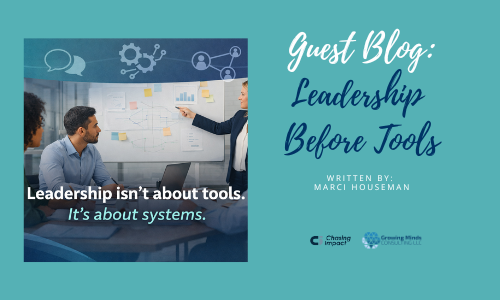
Guest Blog: Leadership Before Tools
Before you invest in AI tools for your school or district, take a hard look at your leadership systems. In this powerful post, leadership coach Marci Houseman reveals how communication, collaboration, and capacity, not technology, determine whether AI becomes a burden or a breakthrough.
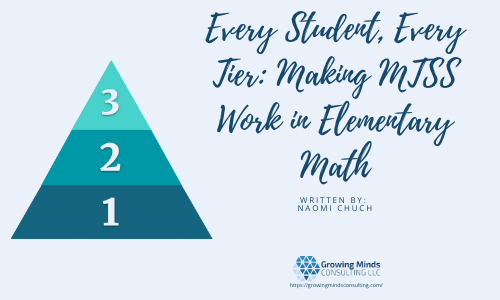
Every Student, Every Tier: Making MTSS Work in Elementary Math
MTSS isn’t just for reading. When applied to K–5 math with intention and clarity, it becomes a powerful system to reach every learner—right where they are. In this post, I break down how Tier 1, 2, and 3 supports work in math and share a free white paper for deeper implementation support.
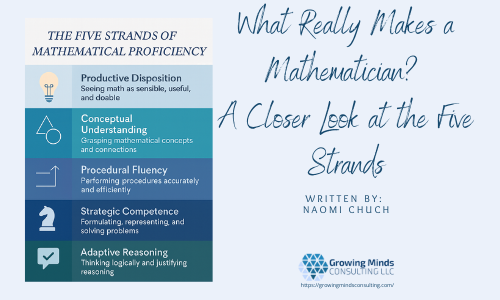
What Really Makes a Mathematician? A Closer Look at the Five Strands
It’s more than memorizing facts or following steps. This post breaks down the Five Strands of Mathematical Proficiency—productive disposition, conceptual understanding, procedural fluency, strategic competence, and adaptive reasoning—and shows how they work together to build confident, capable math thinkers. Whether you're designing instruction, planning PD, or coaching educators, this framework offers a powerful lens for supporting meaningful math learning.