
Guest Blog: The Lasting Impact of PBL on Students
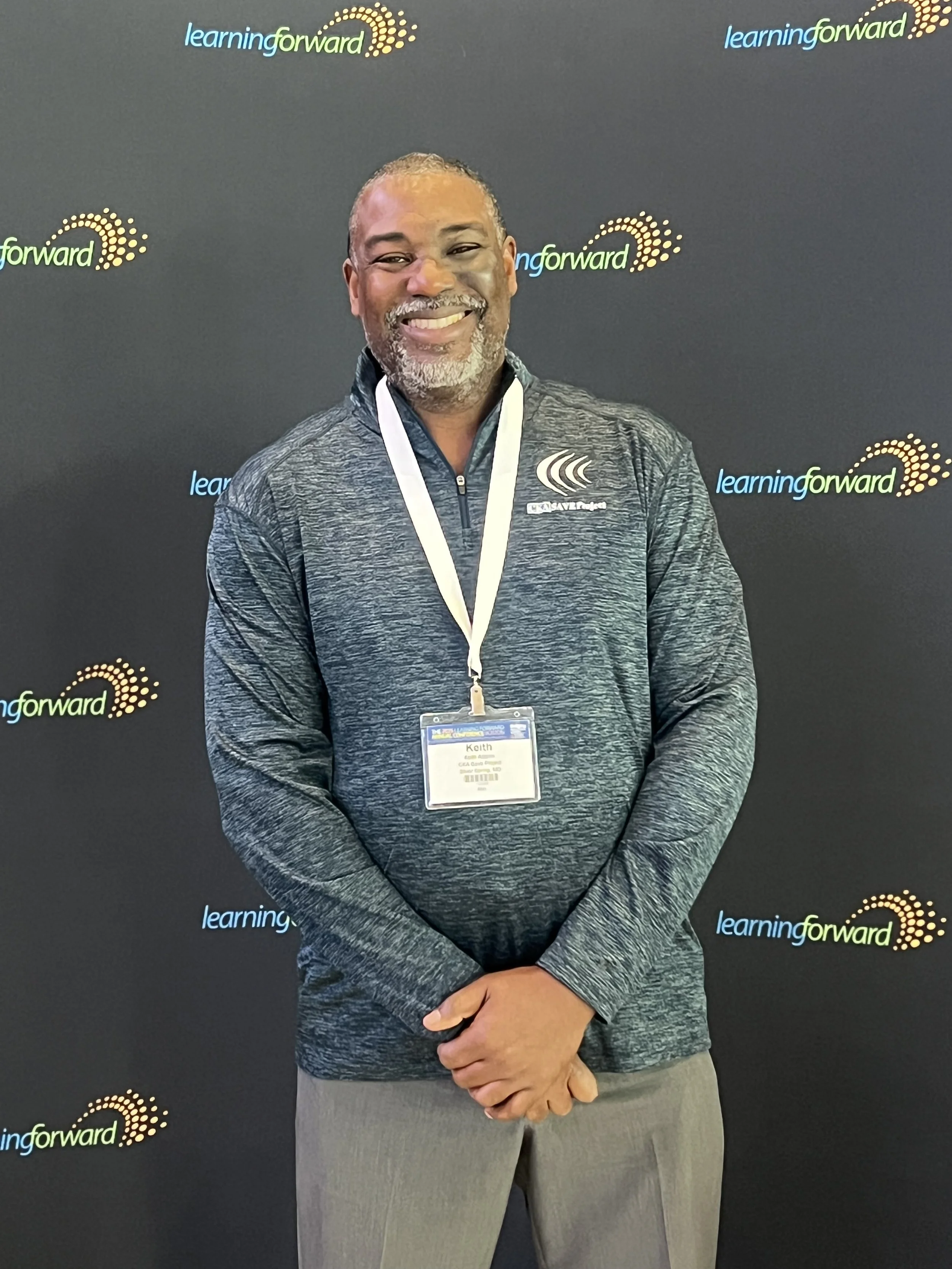
Dr. Keith Adams brings a perspective to student engagement that I find both compelling and deeply aligned with the principles that guide my work. As the Founder & President of the CKA SAVE Project and an experienced educator with over 30 years of experience spanning teaching, coaching, and administration, Keith understands something that research consistently confirms: when students are intrinsically motivated and given meaningful work, they rise to the challenge.
In this post, Keith shares how Project-Based Learning, rooted in UDL principles, transformed his social studies classroom and created lasting academic impact for his students. Whether you teach math, social studies, or anything in between, the design principles he describes are ones worth studying. Structure, support, and student ownership are not content-specific. They are the conditions under which all learners thrive.
The Lasting Impact of PBL on Students
by: Dr. Keith Adams, President of CKA SAVE Project, Inc.
Hello, I’m Dr. Keith Adams, Founder and President of the Coach Keith Adams: Student-Athletes Valuing Education Project (CKA SAVE Project). Our non-profit organization is dedicated to assisting student-athletes and those who work with them through educational and professional development. With over 30 years of experience in education, I’ve served various roles, including teacher, coach, student support, department head, as well as academic and athletic administrator.
How does my background relate to UDL and PBL?
In my experience as a former social studies teacher, maintaining prolonged student engagement was consistently challenging. Similarly, as a former high school and college basketball coach, I faced the same issue, especially during basketball season, which extended over two marking periods. The recurring question each year was, “How can I establish an environment that sustains student engagement and redirects the focus back to the students or student-athletes?”
The solution emerged in creating an atmosphere that nurtured and celebrated the innate curiosity and wonderment students possess, irrespective of their generation. This journey led me directly to Universal Design for Learning (UDL) via Project-Based Learning (PBL).
Universal Design for Learning
Universal Design for Learning (UDL) serves as a guiding principle for the CKA SAVE Project, fostering an inclusive approach to teaching and learning that ensures equal opportunities for all students to succeed. At the core of our educational development is the commitment to intentional, meaningful, and purposeful planning. The utilization of a UDL approach plays a pivotal role in bringing learning to life for student-athletes, aiding them in the pursuit of a better balance between academic and athletic success.
Project-Based Learning and Social Studies
Project-Based Learning (PBL) is an instructional approach that involves students in exploring real-world problems and challenges, fostering active engagement in the learning process. This method not only encourages deeper understanding of the subject matter but also promotes lasting learning as students actively participate in their education.
In the realm of social studies education, the twenty-first-century landscape offers exciting opportunities for students. With an increased emphasis on social studies content, teachers can leverage this excitement to extend student learning through project-based assessments. This approach allows students to delve into their natural curiosity within our intricate global society.
The specific Project-Based Learning assignment outlined below provided students with a structured year-long journey:
Self-Selecting Research Topics and Developing Research Questions (First Marking Period): Students had the freedom to choose individual research topics and formulate research questions.
Creating and Developing a Research Plan (Second Marking Period): During this phase, students crafted comprehensive research plans, outlining the methodologies they would employ.
Evaluating Primary and Secondary Sources about Chosen Topics (Third Marking Period): Students engaged in critical analysis, evaluating both primary and secondary sources relevant to their chosen research topics.
Presenting Findings to a Diverse Audience (Fourth Marking Period):The culmination involved presenting their research findings to an audience comprising peers, educators, professionals, and community members.
This structured PBL assignment not only empowered students to take charge of their learning journey but also provided a platform for them to showcase their acquired knowledge and skills in a real-world context.
The Scaffolds Behind the Work
To support students in this challenging endeavor, several measures were implemented to guide them through the process:
Individual and Collective Training on Research Conduct: Students received instruction both individually and collectively on effective research methodologies.
Extended In-Class Days for Assignment Work: Over 30 in-class days were dedicated to working on assignments, providing students with opportunities for teacher and peer assistance.
Frequent Meetings with Instructors for Progress Review: Regular meetings with instructors were held to review individual progress, ensuring students remained on track.
Community Engagement for Research Assistance: Students were given the opportunity to meet with community members who could provide valuable insights and assistance in the research process.
This PBL activity was seamlessly integrated with other county Social Studies requirements. Consequently, success on this assignment hinged on essential skills such as time management, organizational abilities, and the capacity to self-advocate. These elements not only enriched the learning experience but also empowered students with valuable life skills for their academic and professional journeys.
Results
Remarkably, over 75% of the students successfully completed the year-long PBL activity. For those who did not participate in the PBL, an alternative assignment was offered. This alternative focused on a Document-Based Question (DBQ) approach, specifically designed to enhance their capacity to formulate robust claims and provide compelling supporting evidence. This adaptive approach ensured that all students had valuable opportunities for academic growth and skill development.
A Sample of Student-Generated Topics
One of the most striking outcomes of giving students genuine ownership over their research was the topics they chose. Rather than defaulting to safe or surface-level questions, students tackled issues they cared deeply about; topics drawn from their lived experiences and their view of the world. That level of authentic investment is hard to manufacture and nearly impossible to ignore:
The Impact of Cryptocurrency on the US Economy
An Analysis of the Discriminatory Practices Towards Women in the Workplace
An Analysis of the Impact of Domestic Terrorism on United States’ Citizens
The Analysis of the Impact of the Death Penalty
A Sample of Student Feedback at the Conclusion of the Assignment
“The research process was fun. I received a lot of constructive feedback.”
“I worked consistently on the assignment so it wasn’t overwhelming.”
Student Advice for Doing PBL Projects
Avoid procrastination.
Ask for help.
Review your work prior to seeing your teachers.
Be prepared to put in a lot of time and work.
Lasting Impact of PBL on Students
The enduring impact of Project-Based Learning on students became evident through a recent conversation with a former student, now in college, who shared remarkable insights into the profound influence of the PBL approach on their learning journey. The student highlighted how the PBL project compelled them to write, rewrite, and cite - skills that played a pivotal role in their successful completion of Advanced Placement and International Baccalaureate classes in high school, as well as their measurable progress toward college graduation. Similar sentiments have been echoed by other former students over the years, with many expressing pride in their individual topics and the work they produced.
The iterative nature of the PBL process instilled the habit of revisiting and refining work, fostering a commitment to continuous improvement. The emphasis on citing sources honed research and citation abilities that proved critical for academic success at every level that followed.
Final Thoughts
The journey of planning, implementing, and executing PBL assignments is undoubtedly challenging. Allowing students the freedom to explore their interests introduces an element of unpredictability. Yet, when provided with firm structures (boundaries), discipline (accountability), and support (high levels of assistance), students not only succeed in the present but also lay a solid foundation for future achievements.
The principles behind PBL (student ownership, authentic inquiry, scaffolded support, and real-world application) are not content-specific. Whether you work in social studies, mathematics, or any other discipline, these conditions create the environment where all learners, including those who face the greatest barriers, can do their most meaningful work. The enduring pride and recall demonstrated by former students speak volumes about the impact of a well-structured and supportive PBL approach.
About the Author
Dr. Keith Adams is the Founder and President of the CKA SAVE Project, a non-profit dedicated to supporting student-athletes through educational and professional development. With 30 years in education spanning teaching, coaching, and administration, Dr. Adams brings a deep understanding of what it takes to sustain student engagement over time. He is also the host and executive producer of the Odd Coaches Podcast (youtube.com/@oddcoachespodcast). Learn more at www.ckasaveproject.org and follow @ckasaveproject on social media.
