
The Glue That Holds Math Proficiency Together: Building Adaptive Reasoning in Every Learner
There’s a well-known gap in mathematics education, and it’s not about computation. Research from the National Research Council found that while students could add and subtract and follow procedures, only 1% of eighth graders could justify a mathematical claim. Even a simple one. And more than half of 13-year-olds chose answers that a moment’s reflection would have ruled out as impossible.
This is what happens when we prioritize answer-getting over mathematical thinking. And it’s exactly what the fifth strand of mathematical proficiency - adaptive reasoning - is designed to address.
What Is Adaptive Reasoning?
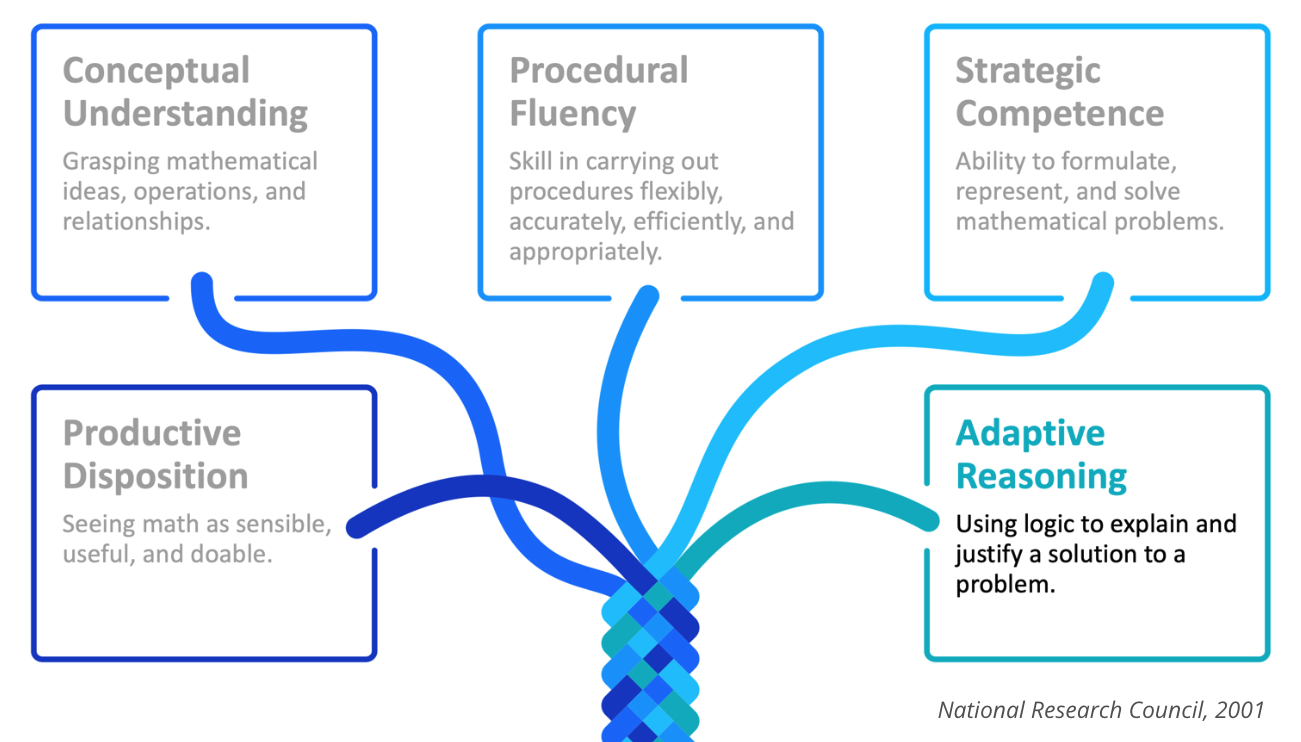
The NRC (2001) defines adaptive reasoning as the capacity for logical thought, reflection, explanation, and justification. They don’t just call it important, they call it the glue that holds all five strands together. When adaptive reasoning is present, students can check whether a procedure makes sense, evaluate whether a strategy is working, and explain why their answer is valid. Without it, the other strands stay disconnected.
Think about the difference between following a recipe and actually knowing how to cook. Anyone can follow a recipe. But when you’re out of an ingredient, or the oven runs hot, or you need to scale for twelve instead of four, that’s when you find out whether someone understands cooking or has just been executing steps. Math works the same way. Adaptive reasoning is what develops the cook. It’s built through explanation, justification, reflection, and discourse.
Why It Can’t Develop in Silence
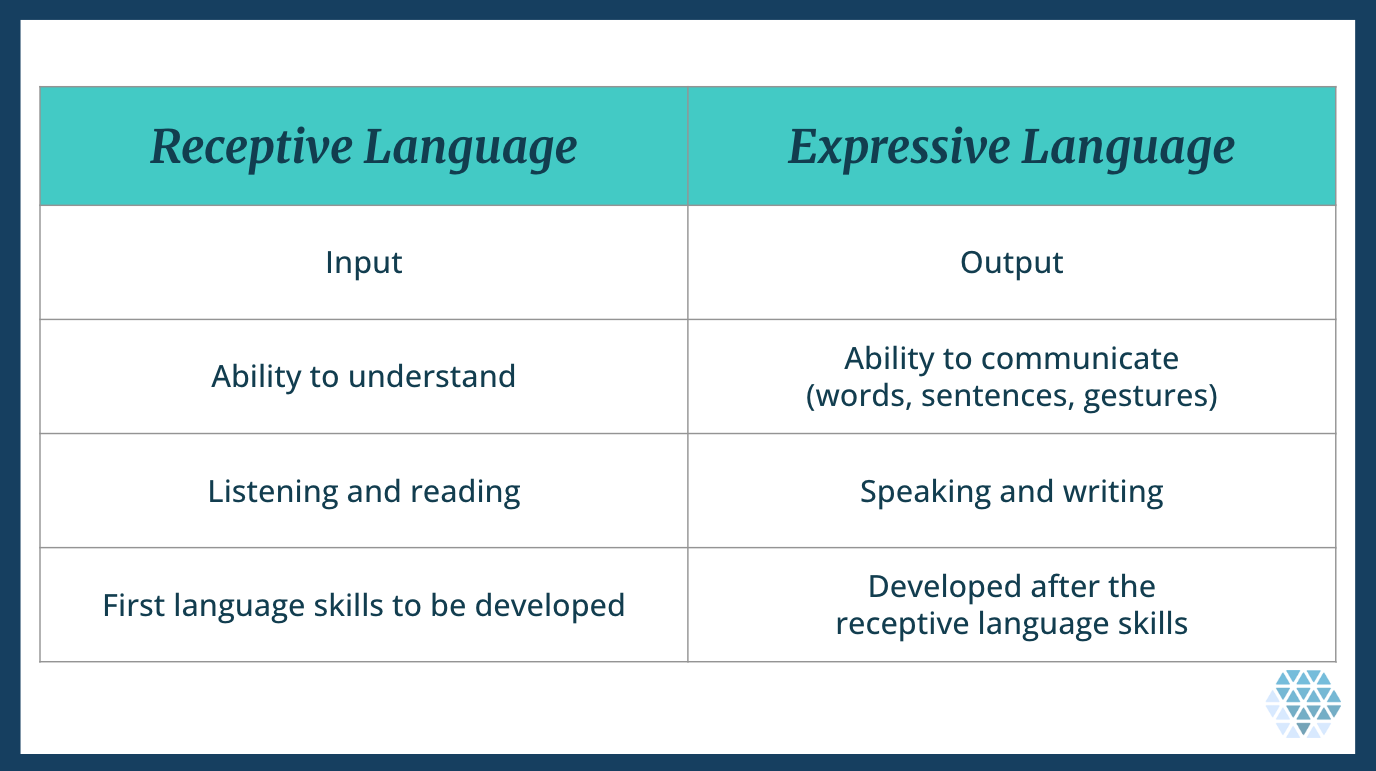
Three of the four components of adaptive reasoning: reflection, explanation, and justification, are communication acts. Students must externalize their thinking to develop this strand. As Jo Boaler puts it plainly: it’s very hard to reason mathematically if students aren’t talking.
This connects to the distinction between receptive and expressive language. Receptive language is the input side: listening, reading, making sense of what’s being communicated. Expressive language is the output side: speaking, writing, justifying. Both are essential, and both can be developed intentionally through instructional routines.
Two Routines That Do the Work
Instructional routines are powerful tools for building adaptive reasoning because the familiar structure reduces cognitive load, freeing students to focus their mental energy on the reasoning itself, rather than figuring out what they’re supposed to do. Two routines worth highlighting:
Three Reads builds the receptive side. It teaches students to slow down and deeply comprehend a mathematical situation before responding - a prerequisite for reasoning logically about it. You can’t justify a solution if you haven’t first understood what’s being asked.
Which One Doesn’t Belong builds the expressive side. With no single correct answer, every student has an entry point and every student must justify their thinking. Students can’t just say “B doesn’t belong,” they have to say why. Because multiple valid answers are possible, students are naturally exposed to different mathematical perspectives, deepening their conceptual understanding while practicing the language of justification. It’s also a low-floor, high-ceiling task: a kindergartner and a high schooler can engage meaningfully with the same prompt at very different levels.
Don’t Overlook Journaling
Discourse is powerful, but it can favor students who process quickly or are comfortable speaking in front of peers. Journaling is an equalizer. It gives every student time to construct and refine their thinking before, or instead of, sharing it aloud. And from a teacher’s perspective, journaling gives you insight into reasoning you’d never get from a raised hand or a correct answer on a worksheet. You can see how a student is thinking, where their logic breaks down, and what connections they are or aren’t making.
Bay-Williams and Kling (2014) note that students at any age or ability level can find a way to communicate their thinking through pictures, words, or symbols. A first grader explaining how a friend could figure out 4 + 5 reveals far more about their mathematical understanding than simply writing the sum.
This Isn’t Extra - It IS the Work
Discourse routines, journaling, justification - none of this is enrichment layered on top of required standards work. It is the work. Adaptive reasoning maps directly to NCTM’s communication and reasoning process standards and the NRC’s vision of mathematical proficiency, the same research base that informs math practice standards across the country. When you build in a Which One Doesn’t Belong routine, you’re addressing adaptive reasoning and your state’s standards alignment simultaneously.
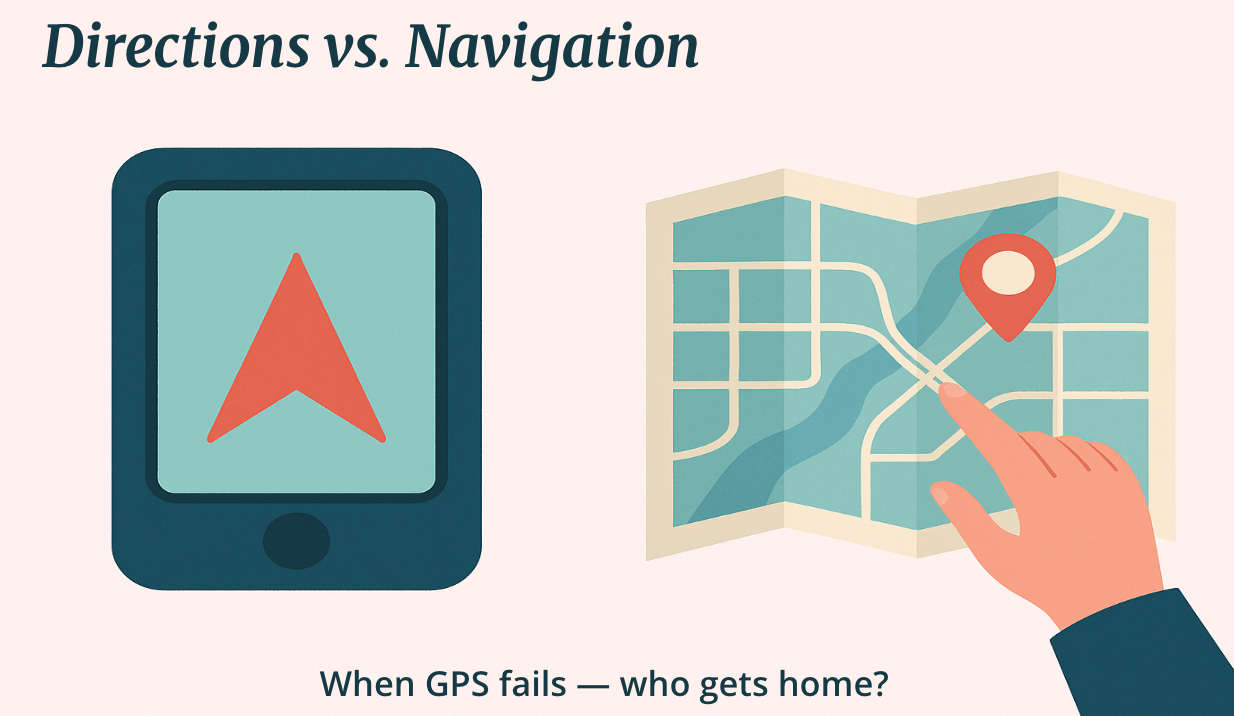
Our job isn’t to produce students who can follow GPS directions. It’s to develop students who can navigate when the GPS fails; when the problem looks unfamiliar, when the context shifts, when the answer isn’t obvious. That’s what happens in college, in careers, and in life.
Start with one routine. Build the habit. Let it become automatic. That’s how mathematical cultures are built: consistently, over time.
Want more of this thinking?
I’m Naomi Church, founder of Growing Minds Consulting. I work with schools, districts, and organizations through keynotes, workshops, and consulting focused on intentional instructional design, Universal Design for Learning, and accessible math education. If this post resonated with you, the best way to stay connected is to join my email list where I share resources, insights, and practical tools for educators who care about getting instruction right.
